

What Samurai Can Teach Us About Work
Have you ever had so much to do that you couldn’t bring yourself to start? You already feel worn out. And what wears you out most may be the work you’ve left unfinished.
Think of an experienced server in a busy restaurant. They remember what everyone ordered, send the orders to the kitchen, and bring each dish to the right person. Ask them what a table ordered after the bill has been paid, though, and they may have already forgotten.
They remembered everything while it mattered. Once the job was done, they could let it go. Unfinished tasks, on the other hand, tend to stay on our minds. When enough of them pile up, the mental load can leave us exhausted.
How Did Samurai Think About Life and Death?

What comes to mind when you picture a samurai?
“The way of the warrior is found in death.”
At first glance, that sounds like an instruction to die. In practice, you can read it as a lesson in how to live. When you accept that life will eventually end, you can spend less time fearing death and more time giving the present moment everything you have.
In this view, life and death are inseparable. If you want to face death with pride someday, the most important question is how you choose to live today.
How Steve Jobs Prioritized His Work

Steve Jobs, the legendary figure behind Apple, reportedly took a similar approach to work. To keep work from spilling into the next day, he was said to narrow his list to what absolutely had to get done that day.
By one account, Jobs planned around 18 waking hours and picked just three to five essential tasks. He aimed to finish them before calling it a day, clearing away routine work that would pull his attention elsewhere.
Of course, how much control you have over your day depends on your industry and your role.
A Samurai Mindset for Any Job
Remember what happens when unfinished tasks pile up? They stay on your mind, and that mental load soon starts to feel like fatigue.
Finish tasks one at a time before they pile up. If the list feels overwhelming, pick the task that matters most and give it your full attention until it’s done.
You can give your full attention to only one thing at a time. That’s why it helps to decide what comes first. Once you’ve made that choice, you can get on with the work in front of you.
“Make the most of this moment.”
That’s one way to bring the samurai’s outlook into your working day.
Pass the Ball
Here’s one more way to organize your work. Most jobs involve other people. Even when you do the work yourself, you may still need a client to review or approve it.
When someone can’t take the next step until you’ve done your part, the ball is in your court. Pass it on as soon as you can. Once you’ve done that, they can move the work forward while you focus on something else. That’s one less task taking up space in your head.
Do you know someone who often takes a long time to reply? People have their reasons, of course, but I sometimes see slow replies as a sign that someone is struggling to keep work moving. They may be feeling exactly the kind of fatigue that comes from having too many unfinished tasks.
Some work is going to be hard. When there’s a lot of it, the samurai’s outlook offers one way to work more efficiently and feel less drained. Decide what matters now, give it your attention, and hand it off when it’s someone else’s turn.
Could you be a samurai?
ABE KENGO
-
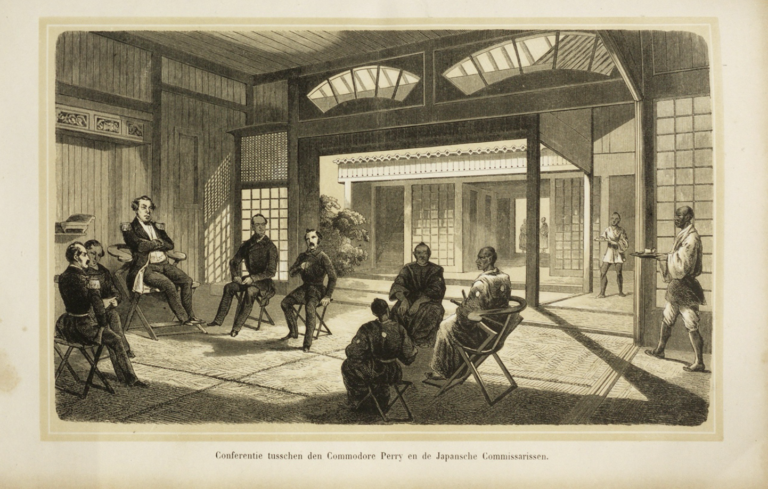 America’s sudden forced arrival! The English-speaking Japanese man who helped the samurai.
-
 Now is the time to look back at the appeal of legendary actor Shintaro Katsu
-
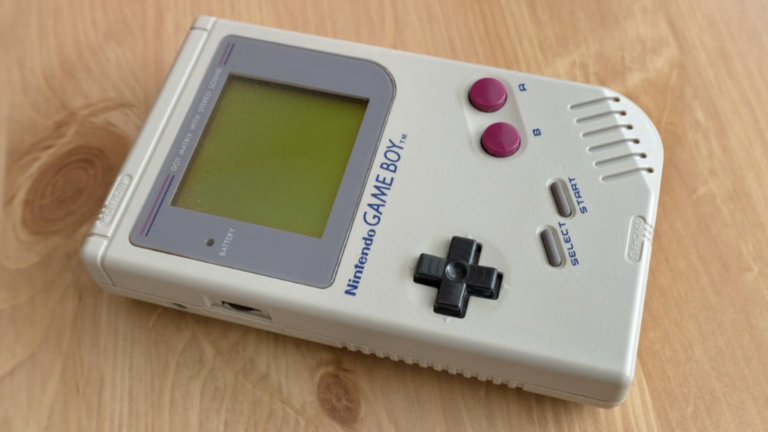 Do you know what this is? It’s a Game Boy. An old handheld video game console made by Nintendo. It was released when I was in high school and brings back fond memories.
-
 Are foreigners rejoicing while Japanese grieve? Big problems created by the weak Yen