What a Tokyo Crime Can Teach Us About Raising Children
In 1988, four teenage boys abducted a high school student in Ayase, in Tokyo’s Adachi Ward. For roughly 40 days they held her captive and subjected her to sexual assault and violence. She died from the abuse, and the perpetrators concealed her body. It is hard to imagine how long each day must have felt for her.
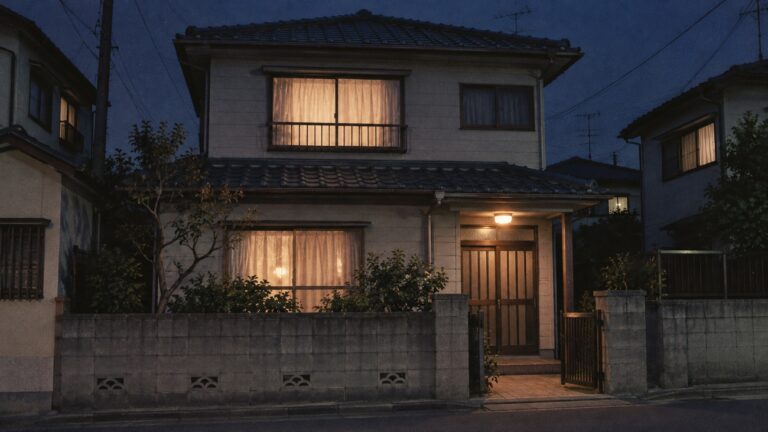
She was held at the home of one of the perpetrators, where his family also lived. I find myself wondering whether someone could have intervened before it was too late. How did the boys reach a point where they could disregard another person’s suffering so completely?
The perpetrators were caught, and their sentences sparked a public debate over juvenile justice. I keep coming back to another question: what can families and communities do when they see someone heading down a dangerous path?

Have you seen the 2019 film Joker? It tells a fictional story of how a man becomes Batman’s adversary. Watching it brought the Tokyo case to mind. In both, I found myself asking what might have happened if someone nearby had stepped in.
We talk about raising children with love. What is the opposite of love? Some people might say hate. But hatred still ties you to another person. To me, the opposite of love is indifference.
In the Tokyo case, the abuse took place in a home the perpetrator shared with his family. Accounts of the case describe violence within the household and fear of getting involved. I cannot know what each family member heard or understood. But I keep thinking about what it takes to act when the sounds on the other side of a wall suggest someone may be in danger.
In Joker, the protagonist goes through one painful experience after another, with no one he feels he can turn to. As I watched, I wondered how things might have turned out if he had felt that someone cared enough to notice. And when I remembered the Tokyo case, a more immediate question stayed with me: when someone is suffering, what can the people nearby do?
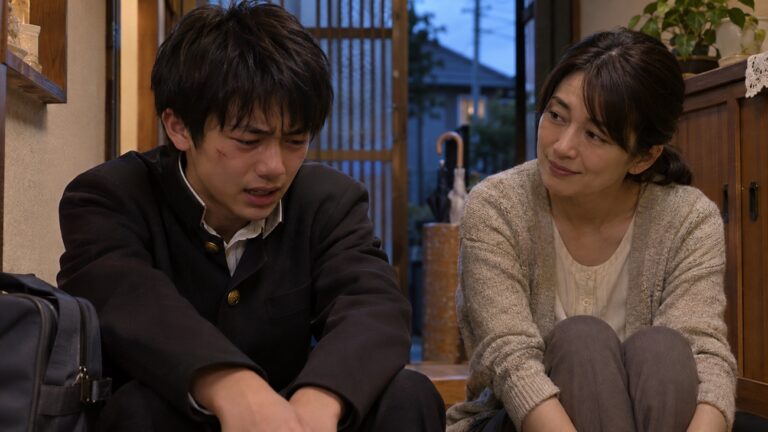
The people who committed the crime bear responsibility for it. Preventing violence also means teaching children to recognize another person’s pain and taking warning signs seriously. Families, friends and neighbors all have a part to play. That can start with asking, “Are you okay?” or “What happened?” Sometimes it means saying plainly, “You can’t treat someone that way.”
In large cities, including Tokyo, it can be easy to leave other people to themselves. Each of us is dealing with our own stress and exhaustion. Still, paying a little more attention to the people around us can make life better for all of us.
Is there someone who listens when you’re struggling? Who around you might need someone to listen today?
ABE KENGO