

Why Are Ambulances Free in Japan?
Most countries have ambulances for accidents and sudden illnesses. In Japan, the way they are dispatched, staffed and paid for can surprise visitors. Here’s how the system works and where it comes under strain.
Call 119 in an Emergency
Dial 119 anywhere in Japan to reach a dispatcher who can send an ambulance or a fire engine. Public fire departments operate the ambulances, so the same number works nationwide. The Fire and Disaster Management Agency has an ambulance guide for international visitors.
How Long Does an Ambulance Take?
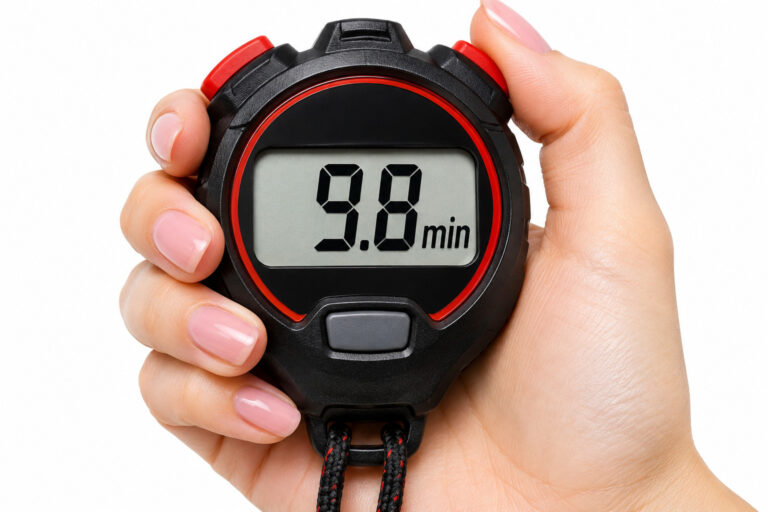
In 2024, the national average was 9.8 minutes from the 119 call to arrival at the scene and 44.6 minutes from the call to handover to a doctor. The crew assesses the patient, contacts hospitals and heads to one that can provide the right care and accept the patient, even in the middle of the night. Fire and Disaster Management Agency figures
Drivers who make room help the crew get through. And sometimes the best thing the driver can do for a patient is to keep the ride as smooth as possible.
Care Starts on the Way
Ambulance crews carry equipment to assess patients and provide emergency care en route. They can also relay what they find to the hospital so staff can prepare before the patient arrives.
Emergency Transport Is Generally Free
Emergency transport by a public fire-department ambulance is generally free at the point of use, including for visitors from abroad. Taxes fund the crews, vehicles and equipment. Hospital care can be billed separately.
When you’re sick at night and don’t know where to go, it’s natural to feel anxious. A crew answering a non-urgent call may be unavailable when a serious emergency comes in. At the same time, nobody should hesitate to call 119 in an emergency. Keeping ambulances available for people who need them is one of the system’s challenges.
The Night I Called an Ambulance
I called an ambulance once when my daughter was still a baby. She started screaming in the middle of the night and nothing we tried could calm her. She was too young to tell us what was wrong. After more than an hour, I called for help.
When I heard the siren, I went outside with her. The moment she felt the night air, she stopped crying and started waving at the crew. “Come on, really?” I thought.
I apologized, but the crew took her temperature and checked her anyway. She seemed fine. They were kind about it and told me to call again if anything happened. Would you want a system like this where you live?
One small detail I like is that some ambulances have the Japanese characters for “emergency” printed backward on the hood. The driver ahead can read them in the rearview mirror. The red stripe, flashing lights and siren already make it clear what’s coming, but someone thought that extra detail was worth adding.
Useful Numbers in Japan
- 119 for an ambulance or fire engine in an emergency.
- #7119 for advice if you’re unsure whether you need an ambulance, in areas that offer the service.
- #8000 for advice about a child’s sudden illness or injury. Hours vary by prefecture.
I hope you have a safe, enjoyable stay in Japan.
ABE KENGO
-
 【Photo】Sakuragi Shrine
-
 Was he a magician? The legend of Abe no Seimei.
-
 What a Tokyo Crime Can Teach Us About Raising Children
-
 Do you know White Day? For men it’s a day from hell.
-
 Lucky number? 358 mysteries
-
 Nishikigoi (colored carp): quintessential to Japanese ornamental gardens. Why not come to Japan and buy one?